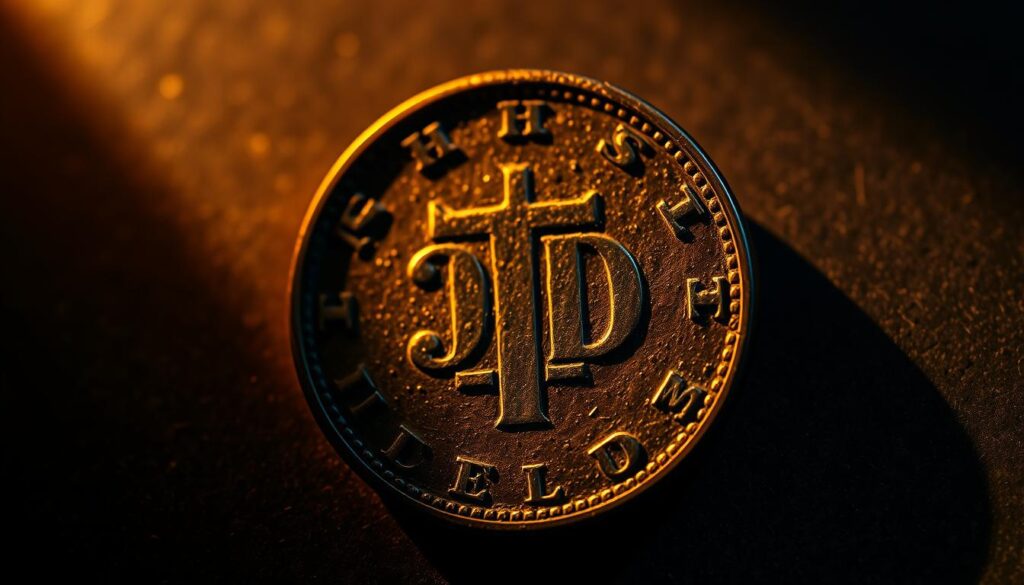
Ever wondered why some coins are super valuable to collectors? Doubled Die Coins are among the most sought-after due to their rare minting error. Is it because they’re rare, have a rich history, or something else? For many coin lovers, a doubled die coin is a real treasure.
These special coins show a distinctive doubling of the design elements. This happens during minting, making them stand out. They’ve caught the eye of collectors for years.
Exploring coin collecting gets even better when you know about doubled die coins. This article will cover the basics. You’ll learn about their history, how to spot them, and their worth in the coin world.
Key Takeaways
- Understanding what makes a doubled die coin unique
- The process of how doubled die coins are minted
- Tips for identifying doubled die coins in your collection
- The value of doubled die coins in numismatics
- How to appreciate the history behind these coins
What Makes Doubled Die Coins Special
As a collector, you’re drawn to doubled die coins. They have a compelling story behind them. These coins are a key part of numismatics, known for their unique features.
Definition and Basic Characteristics
Doubled die coins are error coins made with a die pressed twice. This results in a doubling effect on the coin’s design. The doubling can be slight or quite noticeable, making each coin special.
How They Differ from Other Error Coins
Doubled die coins are unique because of a specific minting error. They’re not the same as coins double-struck or with other doubling issues. The distinct doubling on these coins makes them highly valuable to collectors.
The appeal of doubled die coins comes from their rarity and unique stories. As a collector, learning about these coins can make your collection more interesting. It also deepens your appreciation for numismatics.
The History of Doubled Die Discoveries
The numismatic community has been fascinated by doubled die coins since they were found. These coins have not only caught the eye of collectors but also shed light on the minting process. They show the errors that can happen during production.
Early Notable Finds
The 1955 Lincoln Cent Doubled Die is one of the earliest and most famous doubled die coins. Its unique doubling of the date and lettering caught a lot of attention. This coin sparked a wave of interest in doubled die errors among collectors, making them look closer at coins in circulation.
As collectors learned about the value of doubled die coins, the community grew. Coin collecting turned into a search for numismatic treasures. The 1955 Lincoln Cent Doubled Die set a standard for other doubled die coins, with collectors looking for similar errors.
Evolution of Collector Interest
Over time, interest in doubled die coins has grown a lot. New technology and changes in the minting process have brought new types of doubled die errors. This keeps the numismatic community excited.
“The study of doubled die coins is a dynamic field, with new discoveries continually reshaping our understanding of minting errors.”
Today, collectors not only look for doubled die coins but also try to understand why these errors happen. This has made them appreciate the complexity of making coins and the numismatic value of these unique finds.
How Doubled Die Errors Occur During Minting
Learning about doubled die errors can make you appreciate coin making more. The minting process has many steps, and mistakes can happen if these steps aren’t done right.
The Die Manufacturing Process
The die making process is key to a coin’s look. It starts with making a hub, a metal cylinder with the design on it. Then, the hub stamps the design onto a die, which is the opposite of the hub. The die strikes the coin, putting the design on it.
Technical Causes of Hub-and-Die Doubling
Hub-and-die doubling happens when the hub and die aren’t aligned right. This can make the design look doubled or wrong. The reasons for this include improper alignment or excessive force when striking.
Different Classes of Doubled Dies
Doubled dies are grouped based on how much doubling there is. There are several classes, each showing a different level of doubling. Here’s a table that shows these classes:
| Class | Description |
|---|---|
| I | Doubling is mostly seen in the letters and numbers |
| II | Doubling is more pronounced and affects larger design elements |
| III | Doubling is severe and can significantly distort the design |
Knowing about these classes helps collectors spot and value these special error coins.
Most Valuable Doubled Die Coins in American Numismatics
Doubled die coins in American numismatics are known for their unique features and high value. These coins come from minting mistakes and are highly sought after by collectors.
1955 Lincoln Cent Doubled Die
The 1955 Lincoln Cent Doubled Die is very famous. Its value comes from the clear doubling of the date and “LIBERTY.” In good shape, this coin can be worth thousands. High-grade examples have sold for over $100,000 at auction.
1972 Lincoln Cent Doubled Die
The 1972 Lincoln Cent Doubled Die is also highly valued. The doubling is clear in the date and lettering. While not as pricey as the 1955, high-grade 1972 doubled dies can still fetch several thousand dollars.
1969-S Lincoln Cent Doubled Die
The 1969-S Lincoln Cent Doubled Die is rare, especially since it was minted in San Francisco. The doubling is clear in the date and lettering. This coin is highly sought after and can be worth a lot in good condition.
Other High-Value Examples
Other doubled die coins include the 1943 Lincoln Cent Doubled Die and various Washington Quarter doubled dies. Their value depends on condition, rarity, and doubling strength. Collectors should be aware of the grading standards and market trends to accurately assess their coins’ value.
When searching for doubled die coins, knowing what to look for and where to find them is key. Whether you’re an experienced collector or just starting, understanding these coins’ value and significance can make your collecting journey more rewarding.
How to Identify Doubled Die Coins in Your Collection
Doubled die coins can be hard to spot, but with the right steps, you can find them. Identifying these coins requires patience and the right tools.
Essential Examination Tools
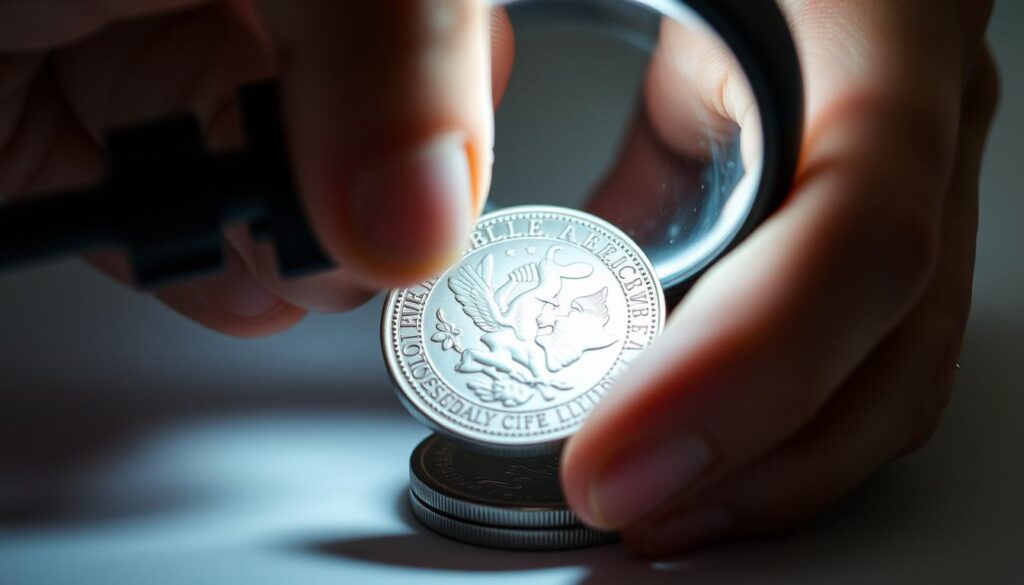
You’ll need a few key tools to start: a good magnifying glass or a low-power microscope, a strong light, and a guide or online resource. This will help you compare your coins to known doubled die coins.
Key Areas to Inspect
When checking your coins, focus on a few key areas:
Lettering and Numerals
Examine the lettering and numerals on your coin. Doubling can occur in the mint mark, the date, or in the legends. Look for any doubling or irregularities.
Date Areas
The date area is often where doubling happens. Use your magnifying glass or microscope to look at the date closely.
Design Elements and Devices
Other design elements can also show doubling. Inspect the overall design carefully, looking for any anomalies.
Step-by-Step Inspection Process
Start by picking a coin you think might be a doubled die. Use your magnifying glass or microscope to inspect it carefully, following the guidelines above. Compare your coin to images of known doubled dies on VarietyVista to confirm your findings.
By following these steps and using the right tools, you can successfully identify doubled die coins in your collection. This will enhance your coin collecting experience.
Distinguishing True Doubled Dies from Deceptive Look-alikes
The world of numismatics is full of coins that can trick even the most skilled collectors. It’s key to know how to spot true doubled dies. Knowing the difference between real doubled die coins and fake ones can greatly affect your collection’s value and authenticity.
Machine Doubling vs. Die Doubling
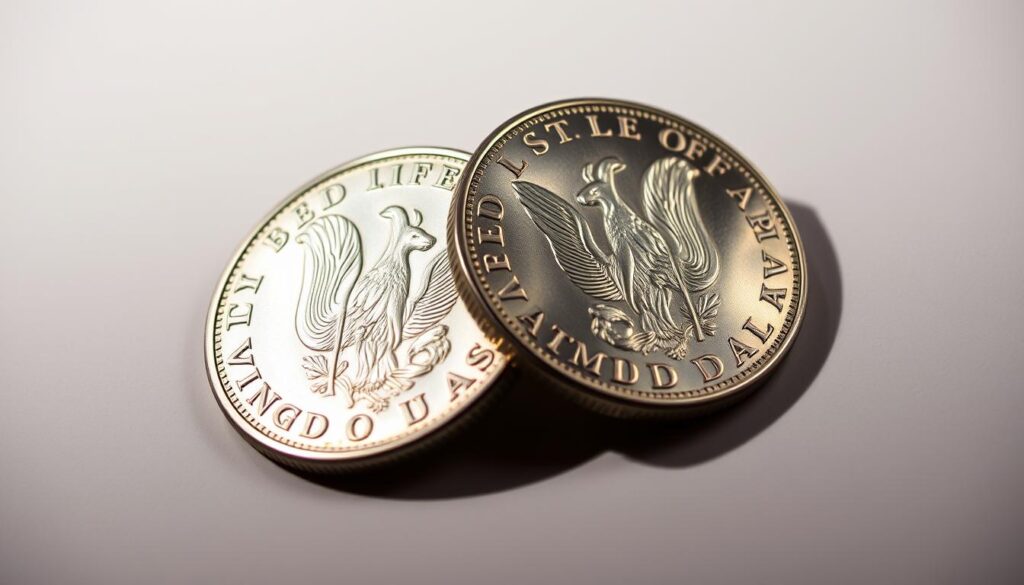
Many people get machine doubling and die doubling mixed up. Machine doubling happens when the coin is struck and the die bounces, causing a blurry effect. On the other hand, die doubling is when the die itself is doubled, leading to clear and consistent doubling on the coin. Knowing the difference is vital for correct identification.
Strike Doubling Characteristics
Strike doubling is often mistaken for die doubling but it’s caused by the coin being struck off-center. It can have many different looks, but they’re not as uniform as true doubled dies. Spotting these differences can help collectors avoid mistakes.
Common Misconceptions Among Collectors
Many collectors wrongly think coins are doubled dies because they don’t fully understand minting or error coins. Learning and experience are crucial to avoid these mistakes. By studying error coin grading and staying up-to-date with numismatics, collectors can better identify true doubled dies.
In summary, telling true doubled dies from fake ones needs knowledge of minting, doubling types, and careful coin examination. Being aware of these aspects helps collectors make better choices for their collections.
Where to Hunt for Doubled Die Coins
For those who love coin collecting, finding doubled die coins is an exciting quest. The numismatic world is full of tales of rare finds. With the right approach, you can discover these treasures.
Circulation Finds: Strategies and Success Stories
Looking through your pocket change or coins from banks is a fun way to find doubled die coins. Although rare, many collectors have found valuable coins in everyday circulation.
Tips for circulation finds:
- Examine coins, especially those from known doubled die years, closely.
- Use a magnifying glass or coin microscope for detailed inspection.
Coin Roll Hunting Techniques
Coin roll hunting is a methodical way to find rare coins, including doubled die errors. By getting rolls from banks or online, you can check them for errors.
Effective coin roll hunting involves:
- Find out which coins are likely to have doubled die errors.
- Thoroughly examine each coin in the roll.
Coin Shows and Dealer Networks
Coin shows and dealer networks are great for finding doubled die coins. These events connect collectors and dealers who sell rare coins.
At coin shows, remember to:
- Connect with other collectors and dealers.
- Inspect coins carefully before buying.
Online Auction Platforms and Forums
The internet makes finding doubled die coins easier through online auctions and forums. Sites like eBay and coin forums are full of rare coins.
When buying online, remember to:
- Check the seller’s reputation.
- Look closely at the coin’s description and images.
Whether you’re an experienced collector or new, the hunt for doubled die coins is exciting. Exploring different ways to find these coins increases your chances of success.
Grading and Valuing Your Doubled Die Coins
Knowing the value of your doubled die coins is key. It’s important to understand how they are graded and valued. As a collector, knowing what makes these collectible coins special is crucial.
Grading Standards for Error Coins
Grading error coins, like doubled dies, is similar to regular coins but with extra steps. The coin’s condition, rarity, and demand are all important. Services like the Professional Coin Grading Service (PCGS) and Numismatic Guaranty Corporation (NGC) offer standardized grading. This can greatly affect the coin’s value.
Factors That Affect Value
Several things impact the value of doubled die coins:
- Rarity: The fewer examples, the higher the value.
- Condition: Better condition means more value.
- Demand: High demand increases value.
- Authenticity: Verification by trusted services is key.
Price Guides and Market Trends
Keeping up with market trends and price guides is vital. The Red Book (Guide Book of United States Coins) and online marketplaces offer insights. They help you understand your coins’ current value.
Getting Professional Appraisals
For a precise value of your doubled die coins, get a professional appraisal. Experts evaluate based on condition, authenticity, and demand. This helps you grasp their true value.
Understanding grading, value factors, and market trends helps you make smart choices. This way, you can maximize the value of your doubled die coins.
Preserving and Showcasing Your Doubled Die Collection
Keeping your doubled die coins safe is more than just storing them. It’s about taking care to keep them in good shape and value.
Proper Handling Methods
When handling your doubled die coins, always hold them by the edges. This prevents damage from touching the surfaces. Use gloves or a soft, dry cloth if you need to handle them.
Storage Solutions for Long-term Preservation
For long-term storage, think about using:
- Individual coin flips or capsules to protect each coin
- Acid-free materials and coin albums made for numismatics
- A safe or a secure, climate-controlled environment
Display Options for Collectors
To show off your doubled die coins, consider:
- Coin albums or folders with clear plastic pages
- Display cases or frames for numismatic collections
- Rotating displays to highlight your rarest coins
By following these tips, you can keep your doubled die collection in top shape. It will remain a source of pride and joy for you.
Conclusion
Exploring doubled die coins has shown you their uniqueness and history. They are a big hit in the numismatic world. They offer a fun challenge for anyone who loves collecting.
Learning about how these coins are made helps you see their value. Whether you’re new or experienced, doubled die coins are a rewarding hobby. They add excitement to your collection.
The thrill of finding new coins is as exciting as adding them to your collection. The numismatic community is full of people who love these coins just as much as you do. They share their knowledge and passion.
Now, keep exploring and learning more about doubled die coins. The world of numismatics is full of wonders. There’s always something new to discover.